
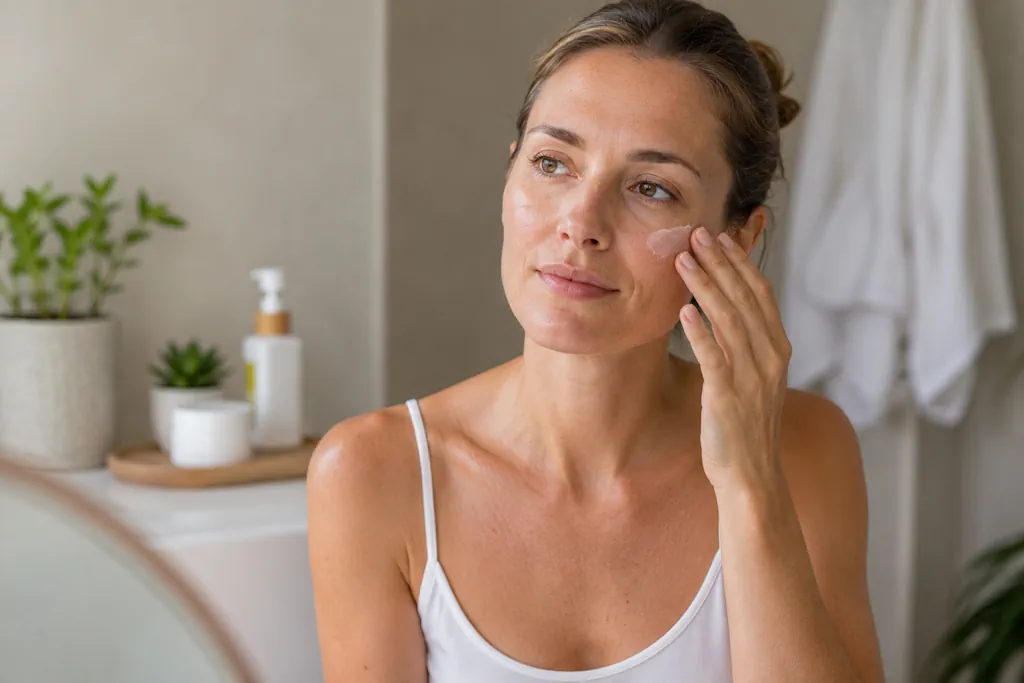
How to Repair Sun-Damaged Skin After Summer
Summer takes more out of your skin than most people realise until September arrives and the mirror tells the truth. Pigmentation looks darker, texture feels rougher, and fine lines that weren’t there in May suddenly seem more obvious. None of this is permanent, but fixing it properly takes more than switching back to your winter moisturiser and hoping for the best.
What Sun Exposure Actually Does to Skin
UV rays damage skin at a cellular level, not just on the surface. UVA penetrates deep into the dermis and breaks down collagen and elastin, the proteins responsible for firmness and bounce. UVB damages the top layers, triggering melanin production as a defence mechanism, which is exactly why you tan and why patches of pigmentation appear unevenly. Add in free radical damage from heat and pollution, both of which spike in summer, and you’ve got a skin barrier working overtime for months. By the time autumn comes round, that barrier is often thinner, drier, and less able to hold onto moisture than it was back in spring.
The Visible Signs You’re Dealing With
Hyperpigmentation is usually the first thing people notice: dark patches or uneven tone, particularly across the cheeks, forehead, and nose where sun exposure concentrates. Fine lines can look more pronounced simply because collagen took a hit over the summer months. Skin often feels rougher. With a build-up of dead cells that didn’t shed properly because sunscreen, heat, and sweat all interfered with normal cell turnover. Some people also notice increased sensitivity, redness that flares more easily, or patches that sting slightly when products are applied that never used to bother them.
Start With Gentle Exfoliation, Not Aggressive Treatment
The instinct after a rough summer is to hit your skin with the strongest active you own. Resist that. Skin recovering from UV exposure has a compromised barrier, and aggressive exfoliation or high-strength retinol at this point often makes things worse before they get better. A mild chemical exfoliant, something like a low-percentage lactic acid, works gently to lift dead surface cells and encourage renewal without stripping skin that’s already stressed. Give this a fortnight before introducing anything stronger.
Bring Back Antioxidants Properly
Vitamin C serum matters more in September than almost any other month. It neutralises free radical damage that has built up over the summer. It helps fade existing pigmentation and supports the collagen your skin is trying to rebuild. Look for a stable formulation, ideally between 10 and 20% concentration, applied in the morning under sunscreen. Vitamin E and ferulic acid, alongside it, improve stability and boost the overall antioxidant effect.
Rebuild the Barrier Before Anything Else
Moisture matters more than most people expect at this stage. A barrier-repair moisturiser containing ceramides, niacinamide, and hyaluronic acid rebuilds what sun and heat have worn down. Niacinamide in particular does double duty, calming inflammation while also helping to even out pigmentation over several weeks of consistent use. Skip anything with strong fragrance or alcohol right now. Your skin doesn’t need more irritation on top of what it’s already dealing with.
Professional Treatments Worth Considering
Chemical peels, done properly and at a lighter strength, speed up cell turnover and fade pigmentation faster than home skincare alone. Microneedling stimulates collagen production, directly addressing the structural damage UV exposure causes beneath the surface. Skin boosters restore hydration at a deeper level than topical products can reach, which matters when summer heat has left skin genuinely dehydrated rather than just dull. A proper consultation will tell you which combination suits your specific skin, because pigmentation, texture concerns, and fine lines don’t always respond to the same treatment.
Don’t Forget Sunscreen Just Because Summer’s Over
This is where most people go wrong. UV rays don’t disappear in October; they just get less obvious. Skin that’s actively repairing pigmentation and collagen damage is more vulnerable to further UV harm, not less, so daily SPF 30 or above remains non-negotiable through autumn. Skipping it undoes weeks of repair work in a handful of unprotected days out.
Give It Time
Skin repair isn’t instant. Collagen remodelling takes around eight to twelve weeks to show real change, and pigmentation fades gradually rather than all at once. Consistency matters more than intensity here. At MG Institute of Beauty in Cheltenham, autumn is genuinely one of the busiest times for skin recovery treatments, and a proper consultation can map out exactly what your skin needs after summer. Book in and we’ll build a plan that actually works for your skin, not a generic one.