
Does a Chemical Peel Make Sun Sensitivity Worse in Summer?
Yes. And if you’re booking a peel between June and September, you need to know why before you go anywhere near a treatment room. A chemical peel strips away the outer layer of skin cells, and that layer happens to be your main defence against UV rays. Take it away, even partially, and what’s left underneath is raw, thin, and badly equipped to deal with strong sunlight. Pair that with a proper British heatwave, and you’ve got a combination that can turn a routine treatment into a genuinely painful few weeks.
What Happens to Your Skin After a Peel
A peel works through controlled damage. Whether your therapist uses glycolic acid, salicylic acid, or a stronger TCA formula, the goal is the same: break down the bond between dead skin cells. They shed faster, leaving brighter, more even skin behind. That new skin isn’t battle-ready. It has fewer working melanocytes, a weaker barrier, and almost no tolerance for heat or UV. It’s a bit like taking your coat off in January. The cold hits faster and harder.
How Long Does the Sensitivity Actually Last?
It depends on the depth of the peel. A light peel, the sort used for a quick pre-event glow, usually calms down in three to five days. A medium peel can leave skin sensitive for one to two weeks. Deeper peels, rarely done purely for cosmetic reasons, can leave skin vulnerable for a month or more. Throughout that whole window, your skin burns faster, tans unevenly, and can develop patches of discolouration that weren’t there before. Most clients underestimate how long this stretches, where their skin looks fine on the surface.
Why Summer Heat Raises the Stakes
Two things collide in summer that don’t happen in January. UV index climbs sharply, sometimes three or four times higher than in the colder months, even under British cloud cover. And people are simply outside more. Barbecues, beach days, lunch in the garden, walking without a jacket. All of it adds up to far more UV hitting skin that’s just lost its protective outer layer. The outcome isn’t only sunburn. It’s a much higher chance of post-inflammatory pigmentation, those stubborn dark patches that can take months to shift, especially on darker or olive skin tones.
So, Can You Still Get a Peel in Summer?
You can, but it needs adjusting. Most clinics worth their salt, ours included, will drop to a lighter peel strength during warmer months rather than cancelling treatments outright. A superficial lactic or glycolic peel disturbs the barrier far less than a stronger TCA peel, and recovery is short enough to manage properly. What matters more than the calendar month is what you do afterwards. There’s no need to write off July entirely if you’re prepared to take aftercare seriously.
Protecting Peeled Skin From the Sun
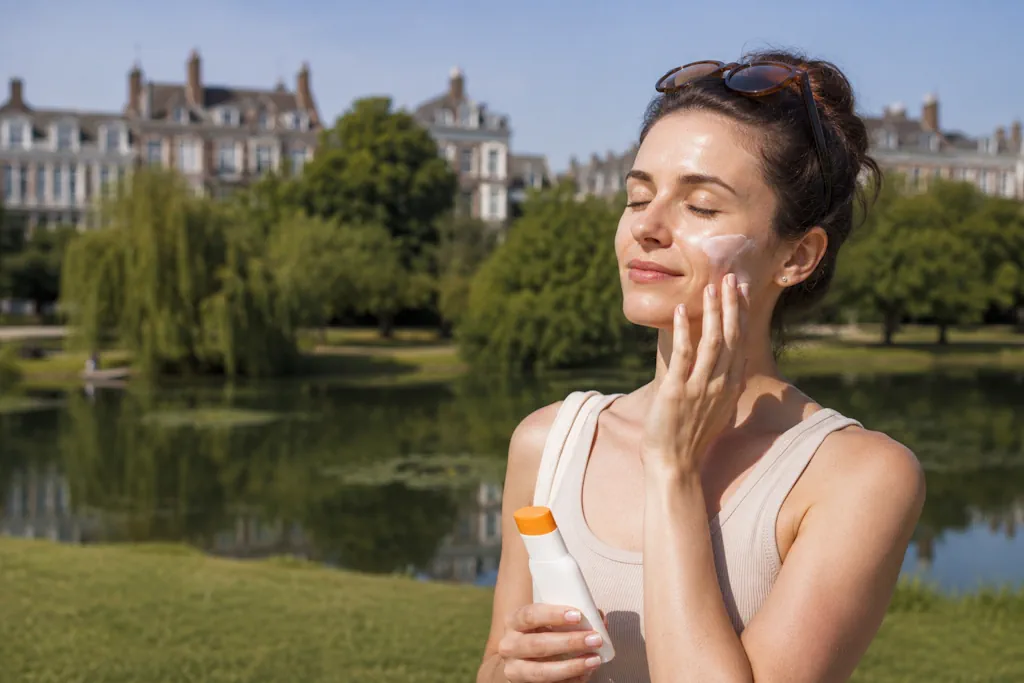
SPF 50 isn’t optional after a peel. Apply it properly, reapply every two hours outdoors, and don’t skip it on cloudy days. A wide-brimmed hat helps. Staying out of direct sun between eleven and three, when UV peaks, helps more. Avoid direct sun completely for the first 48 to 72 hours where you can manage it. Skip saunas and hot yoga too. Anything that raises skin temperature works against you right now. Cool compresses and a fragrance-free moisturiser calm redness without adding more heat to skin that’s already under strain.
What Happens If You Skip the Aftercare
Sunburn on freshly peeled skin heals more slowly and hurts more than ordinary sunburn. Pigmentation can settle in for good rather than fading within weeks. With medium or deep peels, scarring becomes a real possibility, not just a theoretical one. This isn’t about frightening people off peels. It’s just what happens when exposed, healing skin meets strong UV with nothing standing between them.
Booking a Peel This Summer
A chemical peel in summer isn’t a bad idea; it’s an idea that needs planning. At MG Institute of Beauty in Cheltenham, every peel starts with a skin consultation, so we can pick a strength suited to your skin and the season, plus give you an aftercare plan you’ll stick to. If you’re wondering whether now’s a sensible time for a peel, get in touch, and we’ll talk it through properly.