
What’s the Right Age to Start Anti-Wrinkle Injections?
There’s no single number, and anyone who tells you there is hasn’t spent much time in a treatment room. The honest answer is somewhere between 25 and 35 for most people, but the real answer depends on your skin, your muscle movement, your genetics, and what you’re actually trying to achieve. Age on paper matters less than what’s happening on your face.
Why “Preventative Botox” Became a Thing
A decade ago, anti-wrinkle injections were something you got once lines had already dug themselves in. That’s changed. Clinics across the UK now see a steady stream of clients in their late twenties asking about treatment before anything visible has appeared. The logic is simple enough. Repeated muscle movement, frowning, squinting, raising your eyebrows a thousand times a day, eventually creates a crease. Do it for long enough, and the crease stops disappearing when your face is at rest. Anti-wrinkle injections work by relaxing the muscle movement early, before the groove becomes permanent. Whether that’s genuinely “prevention” or just early intervention is a debate, but the science behind reduced muscle repetition holding off deeper lines is solid.
The Early Twenties Crowd
Some people in their early twenties do come in asking about treatment, usually because they’ve noticed a line appearing when they frown, and it worries them more than it probably should. This is where a good practitioner says no, or at least not yet. Skin in your early twenties still has strong collagen production and excellent elasticity. Lines that show up during expression but vanish completely at rest usually don’t need injections. They need reassurance, and maybe a proper skincare routine with SPF. This does more long-term good than injectables at this stage. Treating someone this young isn’t really about anti-ageing. It’s about managing anxiety over completely normal skin behaviour.
Late Twenties to Mid-Thirties: Where It Starts Making Sense
This is genuinely the age bracket where preventative treatment starts to earn its reputation. By the late twenties, some people notice that a frown line or forehead crease no longer fully softens when their face relaxes. That’s the signal worth paying attention to, not a birthday. Skin cell turnover has already begun slowing down slightly, collagen production isn’t what it was at twenty, and years of repeated expression have started leaving a mark that skincare alone won’t erase. Starting treatment here, done conservatively and by someone properly trained, can genuinely delay the point where lines become etched in. It’s not about looking different. It’s about looking like yourself for longer.
Mid-Thirties Onwards: Established Treatment Territory
Once you’re into your mid-thirties and beyond, the conversation shifts from prevention to management. Forehead lines, frown lines between the brows, and crow’s feet around the eyes have often become visible at rest by this point, not just during movement. Anti-wrinkle injections at this stage soften existing lines rather than pre-empting them, and results tend to be more dramatic simply because there’s more to work with. This is also the age when combining treatments, injections alongside skin boosters or microneedling, tends to produce the most rounded results, because collagen support matters just as much as muscle relaxation.
What Actually Determines Readiness, Beyond Age
Genetics play a huge role here. Someone with naturally thin skin and expressive features can develop static lines in their late twenties, while someone with thicker, more resilient skin might not see the same lines until their forties. Sun exposure speeds everything up considerably, which is why two people the same age can have completely different skin. Smoking, sleep quality, and even how much you squint without sunglasses all factor in. A proper consultation looks at your specific muscle patterns and skin quality rather than reading your date of birth off a form.
The Case Against Starting Too Early
There’s a genuine downside to treating skin that doesn’t need it yet. Muscles that never move can, over years of repeated treatment, appear slightly flatter or less expressive than they should. Younger skin also tends to need smaller doses, and starting a pattern of frequent top-ups in your early twenties isn’t necessarily doing you any favours long-term. Good practitioners will often talk clients out of treatment rather than into it, because building trust matters more than a single booking.
Getting a Proper Assessment
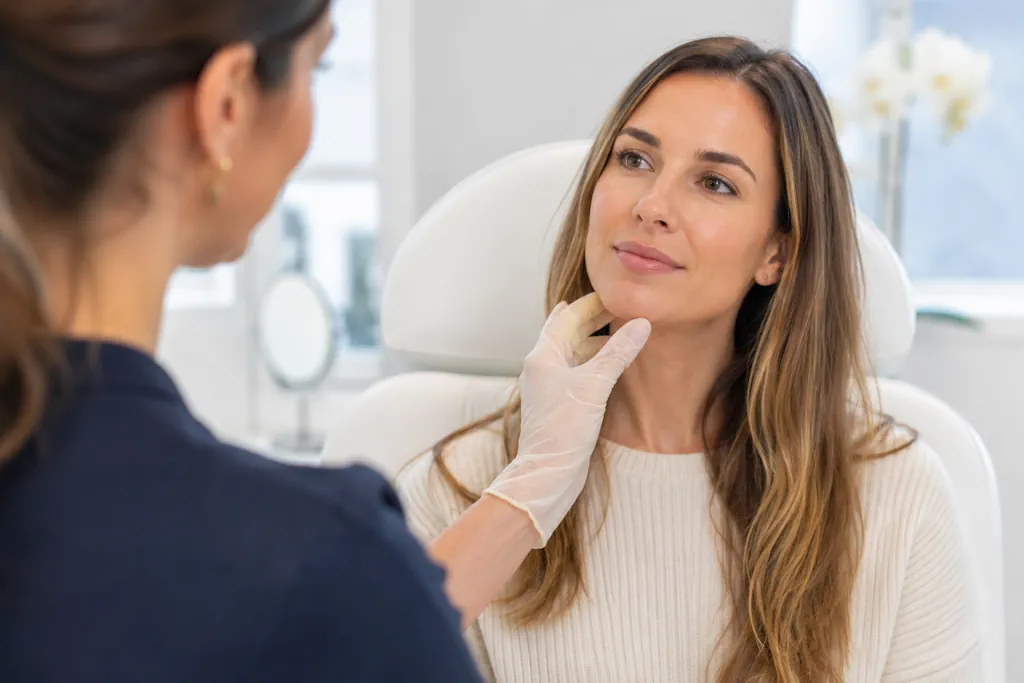
The only reliable way to know if now’s the right time is a face-to-face consultation with someone qualified to assess muscle movement, skin elasticity, and how your lines behave at rest versus during expression. At MG Institute of Beauty in Cheltenham, every consultation starts there, with an honest conversation about whether treatment makes sense for your skin right now, not just whether you’d like it. If you’re unsure where you sit, book a consultation, and we’ll give you a straight answer.