
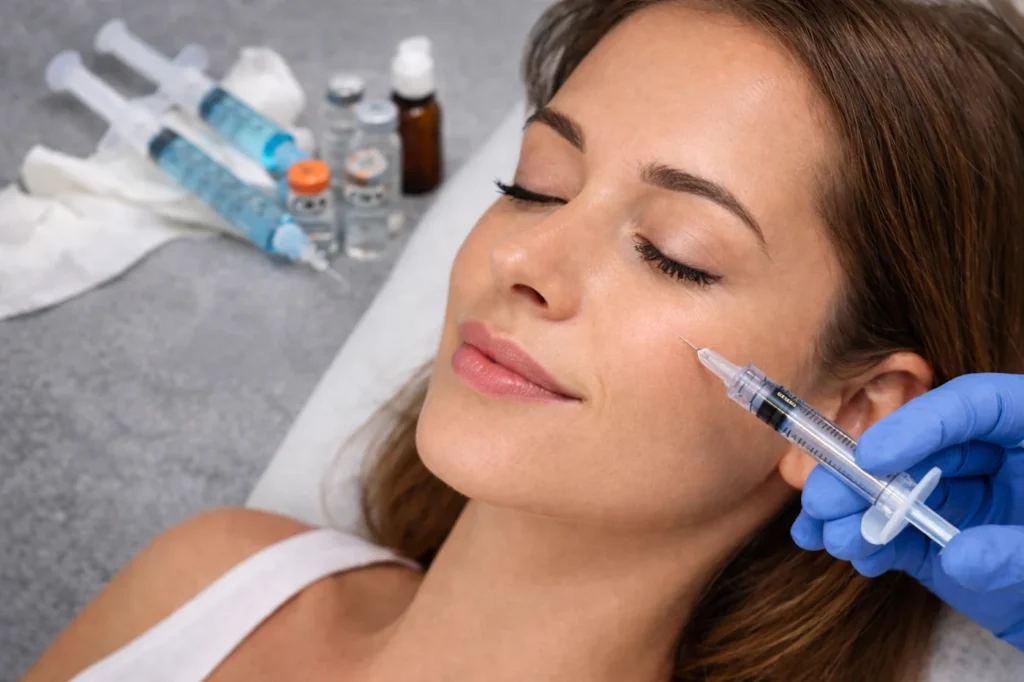
Are Cheap Dermal Fillers Safe?
Are cheap dermal fillers safe? Many people looking for cosmetic enhancements in the UK are tempted by bargain-basement filler deals. Unfortunately, the truth is that cheap dermal fillers often come with serious risks and hidden costs. In this comprehensive guide, we’ll explain why cut-price filler injections can be dangerous, what “cheap” really means in this context, and how to protect yourself by choosing safe, qualified providers. We’ll also cover UK regulations (including the roles of the CQC, GMC, NMC, and Save Face), potential complications like filler migration or vascular occlusion, and why quality treatment may cost more. Read on to learn how to stay safe and avoid the pitfalls of unregulated dermal filler offers.
The Hidden Dangers of Cheap Dermal Fillers
Saving money on cosmetic treatments might sound appealing, but cheap dermal fillers are often risky. Cut-price filler services are offered by practitioners who cut corners on safety and quality. In the UK’s largely unregulated non-surgical aesthetics industry, it truly can be a “wild west” scenario. Unqualified or unscrupulous individuals may set themselves up as injectors with little or no medical training or oversight. They lure clients with low prices, but when something goes wrong, these cowboy practitioners often disappear – leaving the patient with no support or recourse. In short, “cheap” filler deals often carry hidden dangers that could cost you far more in the long run.
What ‘Cheap’ Really Means in Filler Treatments
When it comes to dermal fillers, a “cheap” deal often isn’t a real bargain at all. Here are some common ways budget clinics and injectors cut costs (and jeopardise safety):
- Unqualified Providers: Many bargain-filler injectors are not medically trained. In the UK, dermal filler injections can legally be administered by anyone – there are currently no mandatory training requirements or licensing for basic cosmetic injectables. This means a person with minimal training (or just a quick weekend course) might be injecting fillers. They may lack knowledge of facial anatomy or sterile technique, increasing the risk of error and injury. Unlike doctors or nurses (who are regulated by bodies like the GMC or NMC), unqualified injectors aren’t held to professional standards and often don’t carry insurance. If complications occur, uninsured providers leave patients with no avenues for redress, medical support, or compensation.
- Black Market Products: The cheap dermal fillers themselves may be substandard or even counterfeit. Quality brand-name fillers (e.g. those containing hyaluronic acid) are expensive to manufacture and test for safety. In contrast, cut-price providers might use unregulated or fake filler products purchased online. These are often imported from places with no manufacturing standards (for example, counterfeit fillers from China). Using unknown substances in your face is extremely dangerous – the filler could contain anything and may cause severe reactions. Legitimate clinics use only licensed, well-established filler brands; if a deal is suspiciously cheap, the product injected might not be safe or approved.
- No Clinical Environment: To offer rock-bottom prices, some injectors operate out of inappropriate settings – like someone’s home, a hotel room, or a “pop-up” shop. These environments often lack proper hygiene, sterilisation, and emergency equipment. Reputable clinics maintain high standards of cleanliness and have protocols for medical emergencies. Budget operators skip these safety measures, putting clients at higher risk of infections or other complications. Dermal filler treatments should never be done at parties, in pubs, or in back rooms. A safe procedure requires a clean, controlled clinical setting.
- No Aftercare or Accountability: Cut-price treatments focus on quick turnover – get as many clients in and out as possible. There may be little to no pre-treatment consultation or medical assessment. Inadequate consultation means the injector might not fully understand your health history or needs. After the injection, you might be sent away with no follow-up. If you experience a problem later, cheap providers might ignore your calls or blame you. In fact, reports have found that many unqualified practitioners downplay serious complications as “swelling” or block unhappy clients from contacting them after a botched job. In contrast, qualified practitioners put patient care first. They provide aftercare instructions and are available to help with any issues that arise.
In summary, a cheap filler deal often means corners have been cut in training, product quality, safety standards, and patient care. These savings for the practitioner come at the expense of your health and satisfaction. Next, we’ll look at what regulations exist in the UK to help consumers identify safe providers.
Understanding UK Regulations (CQC, GMC, NMC, Save Face)
Navigating the safety of cosmetic fillers in the UK can be confusing because regulation is still catching up with the industry. Unlike surgical procedures (which can only be done by licensed medical professionals), non-surgical treatments like dermal fillers have, until recently, been almost unregulated. Essentially, anyone can administer fillers or Botox, regardless of qualifications. This lack of oversight has allowed risky providers to thrive, but things are beginning to change.
- GMC/NMC Registration: One way to ensure safety is to choose a medically qualified person. If the practitioner is a doctor, they should be registered with the General Medical Council (GMC); if a nurse, with the Nursing and Midwifery Council (NMC); if a dentist, with the General Dental Council (GDC). These regulators ensure the practitioner has appropriate training and adheres to professional standards. Always check your provider’s credentials. A GMC- or NMC-registered professional is accountable to a governing body, which is a good indicator of legitimacy. Avoid being treated by someone who refuses to disclose their qualifications or registration – it’s a red flag.
- Care Quality Commission (CQC): The CQC regulates healthcare facilities in the UK. Certain high-risk cosmetic procedures and surgical treatments must be done in CQC-registered premises. While basic filler treatments historically haven’t required CQC registration, many reputable clinics choose to register to demonstrate they meet rigorous health and safety standards. A clinic overseen by the CQC is periodically inspected for hygiene, equipment, and care standards. If a provider operates out of a CQC-regulated clinic, it’s a positive sign. In contrast, treatments offered in non-clinical settings or unregulated salons may lack this layer of oversight. (Note: Under new plans, even lower-risk procedures like facial fillers are expected to fall under local licensing – more on that shortly.)
- Save Face Accreditation: Save Face is a government-recognised register of accredited non-surgical cosmetic practitioners. This organisation independently vets doctors, nurses, and dentists who provide aesthetic treatments. A provider with Save Face accreditation has been individually assessed on-site against strict safety and quality criteria. Save Face checks for proper training, insurance, hygiene protocols, and ensures that only licensed products are used. They also monitor feedback and complaints. In short, if a practitioner is listed on Save Face, you can trust they’ve met robust standards. Using resources like the Save Face register (or the Joint Council for Cosmetic Practitioners register) can help you find a safe, vetted injector in your area.
- New Licensing Laws: In response to growing safety concerns, the UK government is moving towards tighter regulation of cosmetic procedures. In 2025, the government announced plans for a licensing scheme for clinics offering fillers and Botox. Under this plan, anyone providing injectable treatments will need to meet strict standards for training, hygiene, and insurance to obtain a licence. High-risk procedures will only be allowed by qualified healthcare professionals in CQC-registered facilities. These changes aim to crack down on “cowboy” operators and protect the public from harm. While these laws are being rolled out, consumers are urged to do their own due diligence. Check your provider’s qualifications and avoid treatments that seem suspiciously cheap. Legislation is catching up, but your safety still depends on wise choices.
Bottom line: Until robust regulations are fully in force, the onus is on you to verify that your injector is properly qualified, insured, and using safe practices. Stick with medical professionals and accredited clinics – and be very cautious of anyone offering injections outside a clinical setting or at an unrealistically low price.
Potential Complications of Unsafe Dermal Fillers
Dermal fillers are often advertised as quick and “non-invasive,” but that doesn’t mean they’re risk-free. In fact, even in skilled hands, things can go wrong – and the risks are far higher with an untrained provider or poor-quality product. Some potential complications of cheap or improperly administered fillers include:
- Filler Migration: The filler can move from the injection site to other areas, causing lumps or an unnatural look. Poor injection technique or using too much product increases this risk. For example, cheap lip fillers might “bleed” above the lip line or form bumps if placed incorrectly. Migration can sometimes require medical treatment to correct or dissolve the filler.
- Infection: Any injection carries a risk of infection, especially if proper hygiene isn’t followed. Using non-sterile needles or injecting in a non-clinical environment (like a home or salon) raises the chance of bacteria entering the skin. An infection from filler can lead to redness, swelling, pain, and abscess formation. Severe infections might even cause tissue damage or scarring, requiring antibiotics or surgical drainage. In the worst cases, infections can become systemic (sepsis), a life-threatening condition. Cheap clinics that cut costs on cleanliness put you at real risk of serious infection.
- Vascular Occlusion: This is one of the most dangerous complications. Vascular occlusion happens when filler is accidentally injected into a blood vessel or compresses it, blocking blood flow. Without prompt treatment, the surrounding tissue can be starved of oxygen. This can cause tissue death (necrosis) – for instance, areas of skin could ulcerate or die, leading to permanent scarring. If filler enters certain arteries in the face, it can even travel and cause blindness or stroke (for example, filler in the forehead or nose has, in rare cases, led to patients losing vision). Recognising and managing an occlusion immediately is critical. Qualified medical practitioners are trained to spot signs of occlusion (such as intense pain and blanching of the skin) and have emergency drugs like hyaluronidase on hand to dissolve the filler. An untrained injector may not notice the issue or know how to react – resulting in devastating outcomes. This is why vascular occlusion from filler is a feared complication, and one you risk more if you trust a novice or bargain provider.
- Allergic Reactions: While rare, allergic reactions to filler can occur. Modern dermal fillers are often made of hyaluronic acid. It is generally biocompatible. However, they contain other ingredients (like lidocaine or cross-linking agents) that could trigger a reaction in some people. An allergic reaction might cause swelling, redness, itching, or even anaphylaxis (a severe, life-threatening allergic response). If the injector is unprepared – for example, they don’t have emergency medication or fail to recognise an allergy – the results could be dangerous. Always inform your provider of any allergies, and ensure they have protocols for allergic reactions. Trusted clinics will have things like epinephrine (adrenaline) available for emergencies.
These are just some examples of what can go wrong. Other issues include granulomas (small lumps from immune reactions), prolonged swelling or bruising, asymmetrical results, nerve damage, or even embolism (blockage in a blood vessel) in extremely rare cases. The key point is that dermal filler complications, though uncommon, can be severe, and the likelihood of complications is much higher when treatments are done cheaply by those skimping on safety.
How to Identify a Safe Clinic or Injector in the UK
When considering dermal fillers, doing a bit of homework on the provider can save you from a nightmare outcome. Here are some tips to find a safe clinic or injector in the UK:
- Check Qualifications: Ensure the person is a qualified medical professional – ideally a doctor, nurse, or dentist with specific training in aesthetics. Ask for their credentials. You can verify doctors on the GMC register or nurses on the NMC register. If an injector is vague about their training or not registered with any medical body, walk away.
- Look for Accreditation or Memberships: Reputable practitioners often have accreditation from bodies like Save Face. They have memberships in professional associations (e.g. British College of Aesthetic Medicine, Joint Council for Cosmetic Practitioners). Being on the Save Face register, for example, means the provider has been vetted for safety, hygiene, and proper insurance. These affiliations show a commitment to standards. Also consider clinics that are CQC-registered or otherwise regulated, as they are held to higher accountability.
- Insurance and Consultation: A safe provider will have medical indemnity insurance (malpractice insurance) – this is important for your protection as well as theirs. Don’t hesitate to ask if they are insured for the treatments they’re providing. Also, take note of the consultation process. A reputable clinic will conduct a thorough consultation before treatment: discussing your medical history, aesthetic goals, and explaining the procedure and risks. If someone is willing to inject you with minimal discussion or pushes you into treatment without answering questions, that’s a bad sign.
- Clinical Setting: Pay attention to where the treatment will be done. It should be a clean, professional clinical environment – not a living room, hotel conference space, or market stall. The treatment room should appear sanitary, with sterile packaged needles and a sharps disposal bin in sight. If it’s an established clinic, check that they have protocols for emergencies (like a kit for managing complications). Never agree to get fillers in a setting that feels makeshift or unhygienic. As mentioned earlier, avoid “filler parties” or pop-up events; they are not safe settings for medical procedures.
- Transparency About Products: Ask for the brand of filler that will be used and where it’s sourced from. Trustworthy practitioners use well-known brands (e.g. Juvederm, Restylane, Teosyal, etc.) and obtain them from official pharmacies or distributors. They should be happy to show you the unopened packaging. If an injector won’t name the product or it’s a brand you can’t verify, that’s a red flag. Never let someone inject an unknown substance into your face. Save Face advises patients to know the filler brand and even the batch number, as an extra safety measure.
- Aftercare and Follow-up: Safe clinics provide clear aftercare instructions and schedule a follow-up check. They should also be reachable if you have concerns in the days after treatment. Before you commit, ask what the process is if you experience a complication or are unhappy with the result – do they offer free corrections? Do they have the ability to dissolve the filler if needed? A quality provider stands by their work and cares about your outcome. If the attitude is “pay, get injected, and goodbye,” reconsider using that provider.
- Realistic Pricing: While cost is a factor, be wary of prices that are too good to be true. In the UK, the price for legitimate dermal filler treatments usually reflects the cost of the product (which is high) and the professional’s expertise. If one clinic is charging, say, £80 for a procedure that everywhere else is £250+, you should question how they can do it so cheaply. It could be due to inferior products or a lack of proper practice. Expect to pay a reasonable price for safe treatment, and remember that your face and health are worth more than saving a few pounds. As the saying goes, “buy cheap, buy twice” – or worse, you might end up paying for corrective treatment later.
By following these steps and using common sense, you can greatly reduce the risk of ending up in the hands of an unsafe injector. The UK has many excellent, qualified aesthetic practitioners – your task is to identify them amidst the noise of social media ads and discount deals.
Why Quality Dermal Fillers Cost More
It’s no secret that professional cosmetic treatments aren’t cheap – and there are good reasons for that. Quality and safety come at a cost. If you’ve ever wondered why one provider charges a lot more than another for dermal fillers, consider what goes into a safe, successful treatment:
- Training and Expertise: Medical practitioners invest heavily in their education and ongoing training. A qualified aesthetic doctor or nurse may have years of medical experience plus specialised courses in injectables. They stay updated on the latest techniques and complications management by attending workshops and conferences. This expertise ensures your treatment is done correctly and safely. By contrast, someone offering bargain filler might have skimmed on training to save money. Remember, you’re partly paying for your injector’s skill and knowledge – and that directly impacts your results and safety.
- Quality Products: Brand-name dermal fillers from reputable manufacturers are expensive. These companies invest in research, development, and quality control testing to ensure their fillers are safe and effective. Each batch is carefully produced and traceable. Naturally, such products cost more per syringe. A bargain clinic might use off-brand or counterfeit fillers that cost a fraction of the price (if, for instance, they buy an unapproved product online). Using premium products increases the cost of treatment, but it also greatly increases the likelihood of a good outcome. As Save Face notes, “non-surgical cosmetic procedures are costly for very good reasons” – using quality products and meeting safety requirements is significant in cost, so reputable practitioners must set prices accordingly.
- Safe Environment and Equipment: Running a proper clinic means paying for clean, well-equipped treatment rooms, sterilisation supplies, emergency medications (like hyaluronidase, epinephrine), and adhering to health and safety regulations. These overheads add to the cost of doing business the right way. For example, maintaining CQC standards or other clinic inspections involves time and money. Low-cost providers who operate out of a spare room or beauty salon might not invest in these critical safety elements. When you pay more at a medical clinic, part of the price ensures that the environment is sanitised and equipped to handle any issues that arise.
- Consultation and Aftercare Time: A reputable practitioner doesn’t rush treatments. They will spend time on a pre-treatment consultation – sometimes even turning patients away if they aren’t suitable candidates. They’ll create a bespoke treatment plan for you. All this time is factored into the cost. Additionally, they provide aftercare and might include a follow-up appointment in the price. In contrast, a cheap deal might mean you get minimal face time with the injector (more patients per hour equals more profit at low prices). You may leave without any support. Essentially, higher cost often translates to better service and care throughout the process, not just the injection itself.
- Insurance and Professional Fees: Legitimate practitioners carry indemnity insurance and often belong to professional bodies – both of which require fees. They also spend money on things like safe disposal of medical waste, compliance with data protection for medical records, etc. All these “hidden” costs of operating ethically are built into treatment pricing. If someone is charging unrealistically low prices, they are not investing in these safety nets. Skipping insurance or using cheaper, unqualified staff allows them to undercut on price, but it leaves you at risk. As one industry saying goes, “If you think hiring a professional is expensive, try hiring an amateur.”
In summary, safe and skilled aesthetic treatments will cost a bit more – because you are paying for quality, safety, and peace of mind. Cutting corners on any of these aspects (training, product, environment, care, insurance) is how some providers offer cheap fillers, but that comes with significant danger. Reputable clinics strongly believe that profit should never come before patient safety. It’s worth paying for practitioners who share that ethos.
Safety First: Don’t Let Price Be Your Only Guide
In the world of dermal fillers, you generally get what you pay for. Trusting your face to the lowest bidder can result in botched results, health complications, and costly corrections. Cheap dermal fillers are not worth the risk. The UK is moving toward stricter oversight of cosmetic injectables, but until then, consumers must stay informed and choose providers wisely.
Always prioritise the injector’s qualifications, the quality of the product, and the safety of the setting over the price tag. Do your research: read reviews, ask to see credentials, and don’t be afraid to walk away if something doesn’t feel right. A deal that seems too good to be true usually is – and it could end up harming you. On the other hand, an experienced, ethical practitioner will focus on your safety and satisfaction, even if it means a higher upfront cost.
Your health and appearance are invaluable. By avoiding unregulated bargains and opting for medically qualified, insured practitioners, you greatly reduce the risks. In short: when it comes to dermal fillers, invest in the best care you can find. The peace of mind and safer results will be well worth it. Remember, never settle for the cheapest treatment – expect and demand better, and be prepared to pay appropriately for it. Your face is precious, so keep it in safe hands.